A raised bed vegetable garden is the easiest way to start growing your own food, even if you have no garden bed at all. You get loose, rich soil from day one, fewer weeds and a neat space that is easy on your back. Here in Port Elizabeth, where sandy soil and strong wind can make in-ground beds hard work, a raised bed gives beginners a real head start.
This guide walks you through every step, from picking a spot to your first harvest. If you would rather skip the shopping list, our raised veg bed kit arrives with the bed, compost and seedlings together, so you can set up and plant on the same day.
Why a raised bed vegetable garden works so well
Raised beds solve the biggest problems new gardeners face. Instead of fighting clay, sand or builder’s rubble, you fill the bed with good growing material. As a result, roots spread easily and plants establish faster.
Here is why so many home gardeners in Nelson Mandela Bay are switching to raised beds:
- Better soil from the start. You control exactly what goes in, so there is no need to dig and improve poor ground.
- Good drainage. Water drains through freely, which helps prevent soggy roots after heavy rain.
- Fewer weeds. Fresh compost carries far fewer weed seeds than old garden soil.
- Less bending. A deeper bed brings your plants closer to you, which makes planting, weeding and picking more comfortable.
- Fits anywhere. You can place a raised bed on paving, a patio or lawn, so townhouse and cluster gardens can grow veg too.
Choosing a sunny spot
Location matters more than anything else. Most vegetables need at least six hours of direct sun a day to grow well and produce a good crop. So before you decide, watch your garden or patio for a full day and note where the sun falls.
Keep these points in mind when you choose your spot:
- Morning sun is valuable. It dries dew off the leaves early, which helps reduce fungal problems.
- Think about the wind. The Bay is famous for it. A spot beside a wall, fence or hedge shelters young plants from the worst gusts.
- Stay close to a tap. You will water often in summer, so a short walk with the hosepipe makes the job much easier.
If you have only paving or a stoep, that is fine. A raised bed sitting on hard ground still works well, as long as excess water can drain out of the bottom. However, beds on paving can dry out faster on hot, windy days, so check them more often.
Filling your bed: soil and compost
What you put inside your bed decides how well your vegetables grow. Raised beds need a loose, rich mix that holds moisture but still drains. Good-quality compost gives you both, and it feeds the soil life that keeps plants healthy.
Our 40 × 120 cm raised veg bed is 45 cm deep, made from rough-sawn, Tan-E treated pine that is safe for food crops. It takes nine bags of compost to fill. That depth gives roots plenty of room, so you can grow most common vegetables without problems.
Follow these steps to fill your bed properly:
- Level the ground. Set the bed on a flat surface so water spreads evenly and does not pool at one end.
- Clear the grass if you are on lawn. Lift the turf or cover it with a layer of cardboard to block it from growing up through the soil.
- Add compost in layers. Pour in a few bags at a time, then break up any lumps and spread the compost evenly.
- Water as you go. Moisten each layer lightly. This helps the compost settle and stops dry pockets forming.
- Fill to just below the top. Leave a small gap at the rim so water does not run straight off when you irrigate.
You can buy our 7 kg bags of compost with your planter, and they arrive together. After that, top up with fresh compost each new season, because the level drops a little as plants feed and the material breaks down.
What to plant in your first raised bed vegetable garden
For a first season, choose fast, forgiving crops that reward you quickly. Seedlings are the best choice for beginners, since they skip the tricky germination stage and are ready to go straight into the soil. Plant them within three days of delivery so they settle in fresh.
Good beginner crops for a summer raised bed in the Eastern Cape include:
- Lettuce for quick salads, picked leaf by leaf.
- Spinach that keeps producing as you harvest the outer leaves.
- Beetroot for both roots and tender young leaves.
- Spring onions that take up very little space.
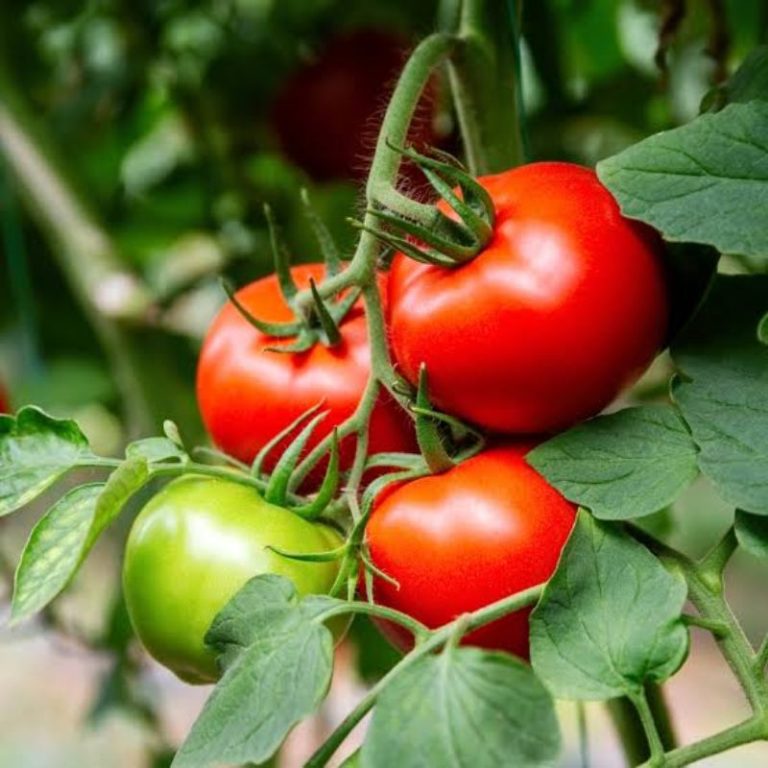
- Little Wonder tomatoes, a compact variety well suited to smaller beds.
- Green peppers that love the summer heat.
Those six crops are exactly what you get in our Beginner Kitchen Garden seedling bundle, which includes a simple planting guide. For more on growing the star of any summer bed, read our guide on how to grow tomatoes in Port Elizabeth.
When you plant, put taller crops such as tomatoes on the side of the bed facing away from the sun. That way they do not shade the shorter plants. Also, give each seedling enough room to reach its full size, even if the bed looks bare at first.
Not sure what else suits the season? Our list of what to plant in December in the Eastern Cape covers more veg, herbs and flowers that thrive in summer.
Watering and upkeep
Raised beds drain well, which is great for roots. On the other hand, it also means they dry out faster than flat beds in summer heat and wind. Regular, deep watering is the single most important job in your new garden.
Use this simple routine to keep your bed healthy:
- Water early in the morning. Plants drink before the heat of the day, and leaves dry quickly.
- Water the soil, not the leaves. Aim the hose at the base of each plant to reduce fungal problems.
- Do the finger test. Push a finger into the soil. If it feels dry a few centimetres down, it is time to water.
- Mulch the surface. A layer of mulch keeps roots cooler and slows evaporation on windy days.
- Weed little and often. Pull weeds while they are small, before they compete with your veg.
- Check for pests. Look under leaves every few days for snails, caterpillars and aphids.
Compost feeds your plants at the start. Later in the season, hungry crops such as tomatoes and peppers benefit from extra feeding as they begin to flower and fruit.
Getting started with a ready-made kit
Buying the bed, compost and plants separately takes time and planning. A kit removes the guesswork. Our raised veg bed kit includes the 0.4 × 1.2 m planter, nine bags of compost and a Planter Veg Fill of 18 summer veg seedlings, all delivered together.
We deliver across Nelson Mandela Bay, including Gqeberha, Kariega and Despatch, on Fridays from 14:00 to 18:00 and Saturdays from 08:00 to 15:00. Order by Wednesday night for Friday, or by Thursday for Saturday. Delivery is free on orders over R1,000, and every order includes a planting card. Read more about how our plant delivery in Port Elizabeth works.
We also back every order with our healthy-plant guarantee. If a plant arrives in poor condition, simply WhatsApp or email us a photo within 48 hours. New customers can use the code GROW10 for 10% off a first order over R300.
Frequently asked questions
How deep should a raised vegetable bed be?
Deeper beds give roots more room and hold moisture for longer. Our raised veg bed is 45 cm deep, which suits most common vegetables. Shallow-rooted crops such as lettuce and spring onions will grow happily in less depth.
Can I put a raised bed on paving or concrete?
Yes, a raised bed works on paving, a patio or a stoep. Just make sure water can drain out at the bottom and avoid areas where water pools. Beds on hard surfaces can dry out quicker, so check the soil often in hot weather.
Should I use compost or garden soil in a raised bed?
Compost is the better choice for beginners. It is loose, rich and holds moisture, while garden soil often compacts and can carry weed seeds. Top up with fresh compost each season to keep the bed full and fertile.
What is the best time to start a raised bed in Port Elizabeth?
You can set up a bed at any time of year. Summer is ideal for heat-loving crops such as tomatoes and peppers, while leafy greens grow well across much of the year in the Eastern Cape. Simply choose seedlings that suit the current season.
How often should I water a raised bed vegetable garden?
It depends on the weather, but in summer you may need to water daily, especially on windy days. Check the soil a few centimetres down with your finger and water when it feels dry. A layer of mulch helps you water less often. For more answers on orders and delivery, visit our FAQ page.
Start your raised bed this weekend
A raised bed is the simplest route to fresh, home-grown veg, even in a small Nelson Mandela Bay garden. Order our raised veg bed kit today and you could be planting your first seedlings this weekend.